
Spark the Room: Fast Warm-Ups for Instant Ideas
Today we dive into classroom warm-ups that trigger quick idea generation, celebrating tiny rituals that flip brains into creative mode in minutes. Expect concise routines, story-backed wisdom, and flexible prompts that fit any grade level or content area. You will find timers, choice boards, movement cues, and low-prep strategies that help every learner contribute rapidly. Try one tomorrow, remix it by Friday, and share your class results so we can learn together and keep the momentum racing forward.
Why Speed Sparks Creativity
Quick bursts short-circuit overthinking, focus attention, and reward risk within safe boundaries. When learners feel time pressure without high stakes, the brain produces more surprising connections and fewer self-censored drafts. Constraints channel energy, reduce decision fatigue, and turn warm-ups into powerful micro-labs. You’ll see hesitancy transform into play, and play transform into productive ideas that fuel deeper lessons. Use these insights to structure consistent, energetic starts that make participation contagious and normalize experimentation every single day.
Set the Stage in Two Minutes
Preparation transforms seconds into sparks. Arrange materials within arm’s reach, display your cue slide before learners enter, and establish a recognizable countdown sound. A visible timer reduces uncertainty, while concise instructions focus attention on generating rather than guessing expectations. Long explanations dilute energy, so keep it lean and repeatable. With two minutes of setup and a consistent rhythm, you create an environment where everyone knows exactly how to begin, how to share quickly, and how to transition smoothly into deeper work.
Rapid-Fire Prompts That Actually Work
Great prompts produce many routes forward with minimal explanation. Lean into analogies, odd combinations, visual sparks, and playful reversals. Invite learners to produce multiple small ideas rather than one perfect response. Encourage expansion by asking, “What else could it be?” or “How could it be wilder?” When sharing, highlight strategies used—mashups, re-framing, or exaggeration—so techniques become transferable tools. Collect favorites in a class deck that grows weekly, ensuring warm-ups stay fresh, surprising, and skill-building.
Low-Prep, No-Prep Routines
One-Minute Sketchnote
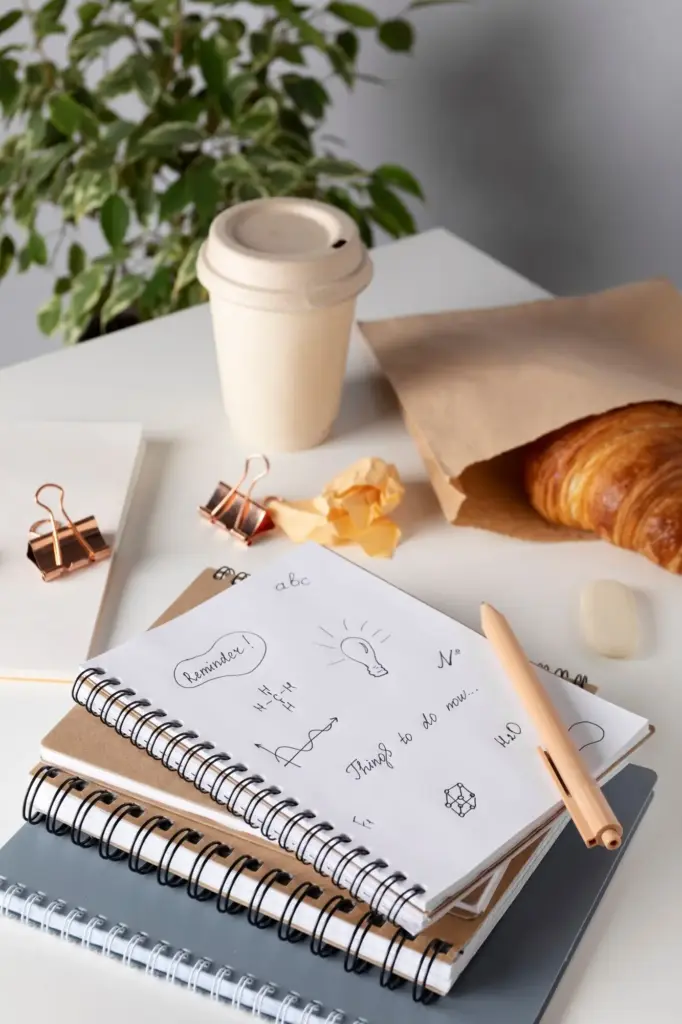
Ask learners to draw a single icon and label it with three fast phrases that connect to yesterday’s concept. No art grades, only idea capture. The timer forces essentials, while drawing engages different neural pathways. After one minute, students pair-share and add one new label inspired by a partner. Collect five sketches to project anonymously, then quickly highlight patterns. This routine becomes a reliable bridge between prior learning and today’s work, giving you formative data with almost zero preparation.
Silent Pass
Students write one idea on a sticky note, pass it to the right on your whistle, and add a build or twist to the new note they receive. Repeat for three rotations. The silence concentrates attention on ideas rather than personalities, while the passing injects novelty. At the end, groups cluster related notes and title the cluster with a punchy phrase. This routine scales from vocabulary expansion to project brainstorming and consistently turns quiet seconds into collaborative breakthroughs.
Five-Finger Forecast
Hold up a hand and assign quick categories to each finger—prediction, risk, wildcard, connection, and question. Learners jot rapid responses, then star one item they are excited to test during the lesson. Share in trios to surface patterns and refine thinking. The physical anchor makes recall easy, and the categories gently scaffold divergent, convergent, and reflective moves. Over time, the hand cue becomes a class shorthand for generating and organizing ideas whenever energy or clarity dips.
Differentiation and Inclusion That Energize Everyone
Fast routines must welcome diverse thinkers. Offer multimodal choices—drawing, speaking, moving, writing—so strengths shine without delay. Use sentence stems, word banks, or icon menus for learners who benefit from scaffolds, and increase challenge with optional twists for those who want more complexity. Honor languages and lived experiences by inviting culturally familiar images and examples. When everyone sees themselves in the warm-up, participation rises, and the room vibrates with equitable excitement that translates directly into stronger learning throughout the day.
Measure, Reflect, and Extend
Short does not mean shallow. Capture quick evidence to see what sticks: photos of whiteboards, starred sticky notes, or a simple tally of ideas generated. Reflect with learners about which routines felt energizing and why. Then extend: convert a favorite warm-up into an entry point for a project, essay, lab, or discussion. Share results with colleagues, trade prompts, and iterate on timing. Tracking small gains reveals big patterns, and those patterns help you refine predictable starts that reliably unlock creative thinking.

All Rights Reserved.